Shock headlines drive engagement, so it’s not uncommon to see warnings about interruptions to UK winter energy supplies, such as potential gas shortages or power blackouts, for the upcoming season.
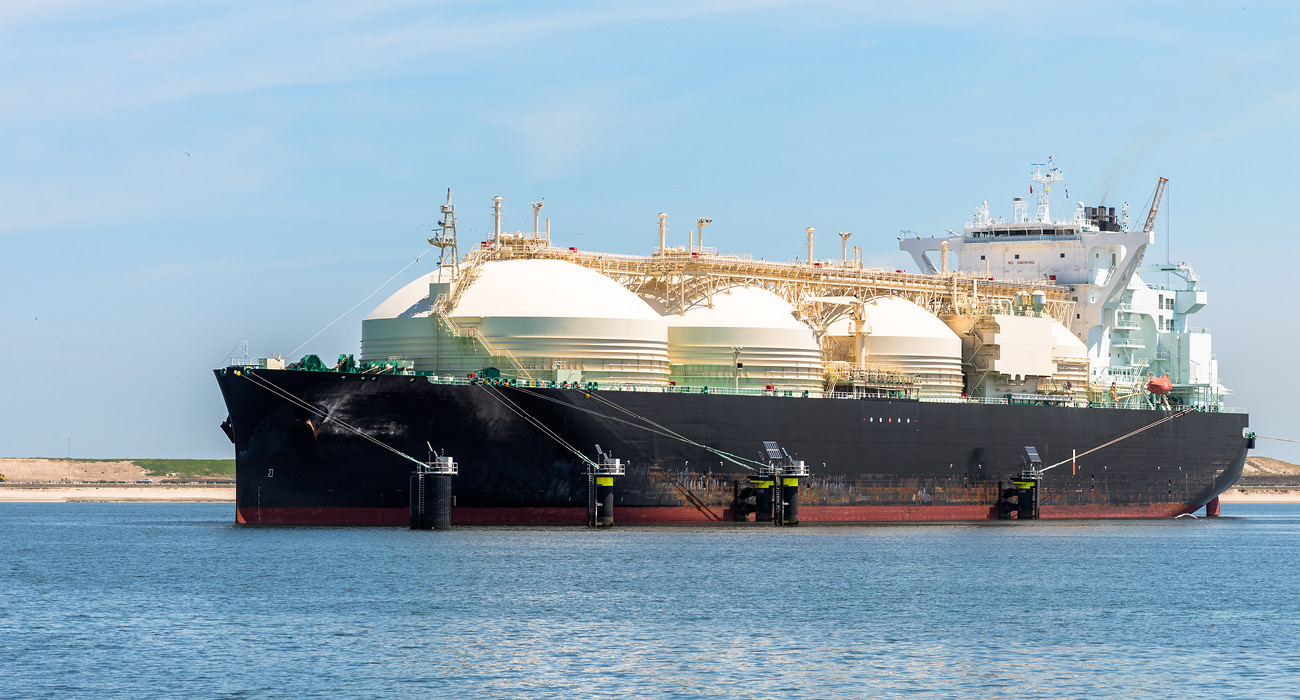
But while the ongoing United States (US)-Iran conflict continues to restrict around 20% of the world’s liquefied natural gas (LNG) flows from Qatar, the UK’s National Energy System Operator (NESO) forecasts that the likelihood of severe energy shortages or widespread power blackouts this winter remains “very low”.
However, it does warn that “winter conditions can change”. And as the UK has only managed to stockpile around 30% of our maximum winter gas storage capacity so far – which, even if full, will this year amount to just six or so days’ worth – we remain vulnerable to any external forces that could interrupt shipments of LNG, or gas pipeline flows from Norway.
Gas supply is also key for UK power generation, as we still rely heavily on gas-fired plant to meet electricity demand, especially when the wind drops.
As we approach the colder months every year, businesses are advised to understand the UK’s protocol for winter supply emergencies, which details how gas and power supplies will be restricted if there are insufficient energy resources to meet total demand.
It’s worth noting that these measures are for planned energy outages. Unplanned outages can still occur without warning.
Protocol for gas interruptions
If a drop in pressure in the gas network occurs – for example, due to a shortage of gas or damage to pipelines – some large consumers may be asked to switch off their gas supply for a period of time.
Sites consuming an annual quantity (AQ) in excess of 732,000 kilowatt hours (KWh) or 25,000 therms (thm) of gas could be asked to stop using gas.
However, if your site is a key public service such as a hospital – or any interruption has the potential to cause damage to your plant and equipment – you should check whether you have ‘Priority Consumer’ status.
If we supply your gas, you can check if your site has Priority Consumer status with your Client Lead or Account Manager. You can find out more about the qualifying criteria or how to apply in our frequently asked questions (FAQs).
However, it’s important to be aware that even priority status doesn’t guarantee supply if doing so would result in loss of supply to domestic customers.
Check your emergency contact details are up to date
For all customers, any instruction to interrupt or switch off your gas supply will come from your local Gas Transporter.
Contact will be made by telephone to one of your nominated emergency contacts. It’s therefore important to ensure these contact details are up to date (speak to your Client Lead or Account Manager if you want to check).
If asked to do so, your business must then cease or reduce any activities that require gas consumption (although continuing use for pilot lights or maintaining machinery in standby mode is permitted). You will then be advised when you can resume full consumption, again by telephone.
Knock-on effect on power supplies
As gas is used for some forms of power generation, any shortage in gas supplies could also result in electricity restrictions over the winter period.
In the unlikely event this occurs, NESO, the government and the Distribution Network Operators (DNOs) will decide on the best course of action and implement it within 48 hours.
This action will likely be a combination of:
- Restriction on industrial and commercial consumption: either by a certain percentage or by restricting use to certain days of the week
- Public appeals: asking domestic consumers and businesses to reduce consumption
- A rota of disconnection: designed to ensure power supplies are equitably shared among all non-protected sites
Disconnections by rota
If disconnections by rota are implemented, your DNO will share the power it has in the local network between consumers using a system of ‘load blocks’.
The aim is to make power available at specific times to all users in the most efficient way. Each block of power is assigned an alpha character/letter.
You should be able to locate your block letter next to your supply number (also known as Meter Point Administration Number or MPAN) on your latest energy invoice. If this is missing, please use this link or contact us. Your letter will then correspond with the timetables issued by the Electricity Supply Emergency Code.
As with gas, if your organisation cannot do without power, you should have ‘protected’ status. If you want to check this, contact your DNO.
Want to learn more?
Explore our FAQs for answers to common questions, or access our new 2026 Outlook paper for a detailed analysis of the market trends shaping the months ahead.


/Author%20Profile%20Finch_Rob_G.png?width=100&name=Author%20Profile%20Finch_Rob_G.png)
/npm214%20Digital_H_UB132.jpg)
/npm214%20Digital_H_UB88.jpg)
/npm214%20Digital_H_UB146.jpg)
/npm214%20Digital_H_UB101.jpg)
/npm214%20Digital_H_UB119.jpg)